
Overview of Whole-Home Standby Generator Installation in Wallingford, Connecticut
Reliable electrical infrastructure is essential for the comfort, operational productivity, and physical safety of properties across Wallingford. Electrical systems are subject to constant thermal expansion, mechanical vibration, oxidation, and expanding consumer amperage loads. Whether you own an established historic property, a modern suburban residence, or an active commercial enterprise in Wallingford, addressing electrical needs through qualified, licensed professionals ensures compliance with strict municipal building codes and national safety standards.
Wallingford's municipal electric utility offers competitive energy rates, driving high demand for residential electric heating, heat pump conversions, Level 2 EV charging, and high-capacity panel upgrades, alongside substantial commercial development along Route 5 and I-91.
Connecticut homeowners experience severe weather extremes ranging from heavy winter ice storms to Atlantic coastal nor'easters. Connecting any backup power source to a building requires strict compliance with NEC Article 702 (Optional Standby Systems). Directly plugging a generator into a standard wall outlet ('backfeeding') is extremely hazardous and illegal; it energizes neighborhood utility lines, creating lethal electrocution risks for utility line workers. Permanently installed standby generators utilize an Automatic Transfer Switch (ATS) to mechanically isolate your home from the utility grid before supplying power.
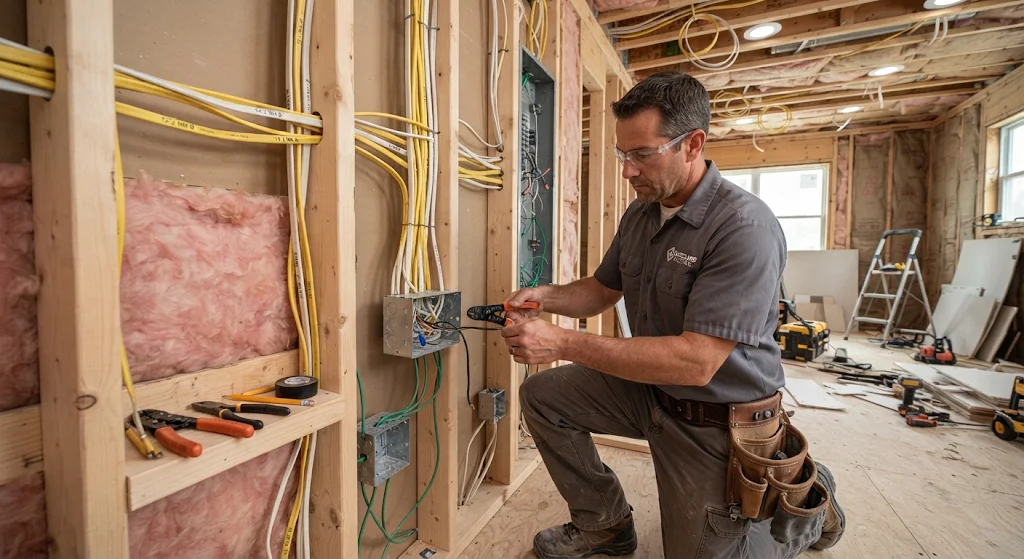
Key Technical Priorities & Scope of Work
When an independent electrical contractor evaluates your property in Wallingford for Generator Installation, their primary objective is delivering long-term electrical safety, operational reliability, and code compliance. Key technical priorities addressed during service include:
- Automatic transfer switch (ATS) installation and main service disconnect integration
- Whole-home and essential-circuit standby generator sizing and kW calculations
- Manual transfer switch and interlock kit wiring for portable generators
- Natural gas (NG) and liquid propane (LP) fuel line coordination with licensed trades
- Sound-attenuated composite mounting pads, flood elevation, and clearance compliance
Common Customer Situations & Warning Signs
Electrical issues rarely emerge without early warning indicators. Recognizing these signs allows property owners in Wallingford to seek professional evaluation before small electrical faults escalate into major power interruptions, equipment failure, or hazardous structural fires:
- Recurring winter nor'easters, tropical storms, and ice events causing prolonged utility grid outages
- Critical need to maintain power for medical equipment, basement sump pumps, or refrigeration
- Desire for hands-free automatic operation that activates whether residents are home or away
- Freezing winter temperatures threatening burst interior plumbing pipes during power interruptions
- Existing portable generator setups requiring hazardous manual extension cords through windows
Factors Affecting Project Scope & Complexity
Every electrical installation or remediation project in Wallingford presents unique variables. Independent electrical contractors conduct comprehensive on-site assessments to evaluate:
- Generator output capacity (typically 14 kW to 26 kW for residential standby applications)
- Distance between the electrical service panel, generator location, and fuel supply line
- Municipal setback requirements (NFPA 37 clearances from operable windows, soffit vents, and property lines)
- Load-shedding module requirements to manage high-demand central air or heat pump loads
- Coordination of electrical trade permits, gas piping permits, and building department inspections
Permitting & Code Compliance in Wallingford
Wallingford features an important jurisdictional distinction: the municipal Wallingford Building Department administers building and electrical trade permits and code inspections, while the municipal Wallingford Electric Division operates the public power utility grid. Contractors coordinate with the Electric Division for meter disconnects and service taps, and with the Building Department for permit sign-offs.
In Connecticut, licensed E-1 electrical contractors are responsible for pulling all required trade permits, coordinating with local electrical inspectors, and securing final approvals. Attempting to bypass the permitting process can void property insurance coverage, create hidden safety hazards, and complicate future real estate transactions. Independent contractors in our referral network navigate the municipal permitting process to ensure all work receives official inspection sign-offs.
Need a Qualified Electrician in
Speak directly with independent licensed electrical contractors serving Wallingford and surrounding Connecticut communities. Receive prompt project evaluations, transparent estimates, and code-compliant service.
Call (888) 605-9975 to ConnectWhat to Expect from Independent Contractors via WATT911
WATT911 operates as an independent lead-generation and referral directory. When you contact our network, your request is routed to participating independent electrical contractors who service Wallingford. You can expect:
- Direct Contractor Communication: You speak directly with the independent contractor's team to discuss your project scope, scheduling, and diagnostic assessment.
- Thorough On-Site Assessment: The contractor inspects your existing electrical panel, branch wiring, grounding system, and connected equipment to formulate a tailored solution.
- Written Estimates & Scope: You receive an itemized proposal detailing labor, equipment, permit fees, and materials before authorizing any electrical work.
- Independent Accountability: All contracts, guarantees, warranties, and billing are handled directly between you and the independent contractor.
Related Electrical Services in Wallingford
Explore other approved electrical service landing pages for Wallingford in the WATT911 Connecticut directory:
Frequently Asked Questions: Whole-Home Standby Generator Installation in Wallingford
A portable generator is a gasoline-powered unit rolled outside during an outage that requires manual starting and extension cords or a manual interlock switch. A permanently installed standby generator is wired directly into your electrical system, fueled by natural gas or propane, and features an Automatic Transfer Switch (ATS) that detects power loss and restores electricity within 10 to 20 seconds automatically.
Standby generator sizing depends on your critical power priorities. An essential-circuit generator (10 to 14 kW) runs key circuits like sump pumps, refrigeration, heating equipment, and select lighting. A whole-home generator (18 to 26 kW) coupled with smart load management can power your entire home, including central air conditioning and electric appliances.
National fire protection standards (NFPA 37) and municipal building codes require standby generators to maintain minimum clearances—typically at least 5 feet from operable windows, doors, and building openings, and at least 18 inches from non-combustible exterior walls. Clearance from property boundary lines must also comply with Wallingford zoning rules.
Standby generators run automatic self-tests weekly (exercising the engine for 5 to 15 minutes). Manufacturers recommend professional maintenance—including oil and filter changes, spark plug inspection, and battery voltage testing—annually or after every 100 to 200 hours of continuous operation.
Yes. Installing a permanent standby generator requires an electrical permit for the transfer switch and power connections, as well as a mechanical/plumbing permit for the natural gas or propane fuel supply line, followed by official inspections.