
Overview of Electrical Repair & Troubleshooting in East Hartford, Connecticut
Reliable electrical infrastructure is essential for the comfort, operational productivity, and physical safety of properties across East Hartford. Electrical systems are subject to constant thermal expansion, mechanical vibration, oxidation, and expanding consumer amperage loads. Whether you own an established historic property, a modern suburban residence, or an active commercial enterprise in East Hartford, addressing electrical needs through qualified, licensed professionals ensures compliance with strict municipal building codes and national safety standards.
Situated along the Connecticut River across from Hartford, East Hartford is home to aerospace giant Pratt & Whitney, extensive distribution logistics hubs, and diverse residential subdivisions. Projects focus on industrial three-phase power, commercial distribution switchgear, and residential circuit restorations.
Electrical systems are intricate interconnected distribution networks operating under intense thermal and kinetic forces. In Connecticut, all electrical repairs must strictly adhere to the National Electrical Code (NEC / NFPA 70) as adopted by the Connecticut State Building Code. Attempting do-it-yourself diagnostics or resetting breakers that continuously trip can mask high-resistance short circuits or arcing faults, significantly elevating structure fire risks. Qualified independent E-1 licensed electrical contractors employ calibrated digital insulation-resistance testers, thermal imaging cameras, and branch-circuit load meters to locate underlying faults behind finished walls without unnecessary structural disruption.
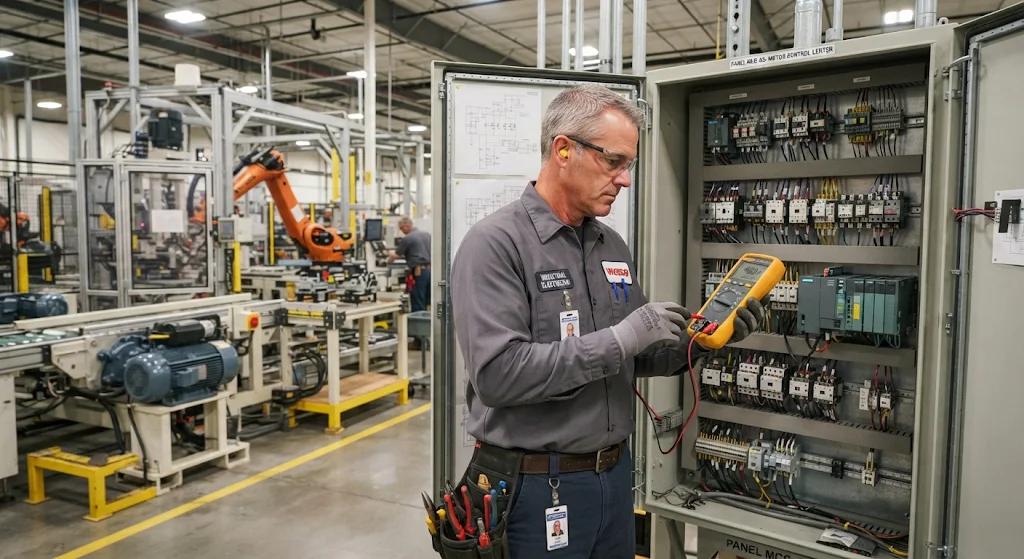
Key Technical Priorities & Scope of Work
When an independent electrical contractor evaluates your property in East Hartford for Electrical Repair, their primary objective is delivering long-term electrical safety, operational reliability, and code compliance. Key technical priorities addressed during service include:
- Diagnostic circuit tracing and multimeter fault localization
- Nuisance breaker tripping and thermal overload correction
- GFCI, AFCI, and tamper-resistant receptacle troubleshooting
- Aluminum wiring remediation and copalum pigtail stabilization
- Emergency diagnostics for sudden partial power loss or burning odors
Common Customer Situations & Warning Signs
Electrical issues rarely emerge without early warning indicators. Recognizing these signs allows property owners in East Hartford to seek professional evaluation before small electrical faults escalate into major power interruptions, equipment failure, or hazardous structural fires:
- Circuit breakers that trip immediately upon reset or emit humming sounds
- Flickering or dimming lights when high-draw appliances cycle on
- Discolored, scorched, or warm outlet faceplates and switch covers
- Sparks or audible popping noises when plugging in electrical equipment
- Unexplained burning plastic or ozone smells originating from walls or service equipment
Factors Affecting Project Scope & Complexity
Every electrical installation or remediation project in East Hartford presents unique variables. Independent electrical contractors conduct comprehensive on-site assessments to evaluate:
- Physical accessibility of branch circuit runs, junction boxes, and concealed conduit
- Age and integrity of existing conductor insulation (cloth, rubber, or thermoplastic)
- Presence of shared neutral conductors or multi-wire branch circuit configurations
- Need for code-mandated dual-function AFCI/GFCI protective breaker upgrades
- Coordination requirements with municipal inspectors if panel work is involved
Permitting & Code Compliance in East Hartford
Electrical permitting and trade code compliance are governed under Connecticut State Building Code protocols administered through the local municipal building division. Verification of state E-1 contractor credentials is required for all commercial and residential permits.
In Connecticut, licensed E-1 electrical contractors are responsible for pulling all required trade permits, coordinating with local electrical inspectors, and securing final approvals. Attempting to bypass the permitting process can void property insurance coverage, create hidden safety hazards, and complicate future real estate transactions. Independent contractors in our referral network navigate the municipal permitting process to ensure all work receives official inspection sign-offs.
Need a Qualified Electrician in
Speak directly with independent licensed electrical contractors serving East Hartford and surrounding Connecticut communities. Receive prompt project evaluations, transparent estimates, and code-compliant service.
Call (888) 605-9975 to ConnectWhat to Expect from Independent Contractors via WATT911
WATT911 operates as an independent lead-generation and referral directory. When you contact our network, your request is routed to participating independent electrical contractors who service East Hartford. You can expect:
- Direct Contractor Communication: You speak directly with the independent contractor's team to discuss your project scope, scheduling, and diagnostic assessment.
- Thorough On-Site Assessment: The contractor inspects your existing electrical panel, branch wiring, grounding system, and connected equipment to formulate a tailored solution.
- Written Estimates & Scope: You receive an itemized proposal detailing labor, equipment, permit fees, and materials before authorizing any electrical work.
- Independent Accountability: All contracts, guarantees, warranties, and billing are handled directly between you and the independent contractor.
Related Electrical Services in East Hartford
Explore other approved electrical service landing pages for East Hartford in the WATT911 Connecticut directory:
Frequently Asked Questions: Electrical Repair & Troubleshooting in East Hartford
A circuit breaker trips to protect your home's wiring from overheating and catching fire. Frequent tripping generally indicates a branch circuit overload (too many appliances drawing power simultaneously), a direct short circuit (a hot wire contacting neutral or ground), or a ground fault. If a breaker trips immediately after being reset, leave it off and have an independent licensed electrical contractor evaluate the circuit with professional diagnostic equipment.
Yes, persistent or localized flickering lights can indicate loose terminal connections, corroded wire splices, or fluctuating voltage on the utility service drop. Loose connections create electrical resistance, which generates intense heat and represents a major residential fire hazard. An electrician can test branch voltages and torque terminals to manufacturer specifications.
Yes, but code requires specific methods. If an existing junction box lacks an equipment grounding conductor, contractors can either run a new dedicated grounding wire back to the panel, or install a Ground Fault Circuit Interrupter (GFCI) receptacle labeled 'No Equipment Ground' in compliance with NEC Article 406.4(D). An electrician can inspect your wiring to recommend the safest option.
Burning odors (often smelling like fish, heated plastic, or ozone) and sizzling sounds indicate electrical arcing—electricity jumping across gaps between loose or oxidized connections. This generates extreme local temperatures exceeding 1,000 degrees Fahrenheit. If you detect these signs, immediately shut off power to that circuit at the main breaker and contact a qualified contractor.
Minor repairs like replacing an identical switch or single receptacle typically do not require permits. However, extending branch circuits, adding new dedicated circuits, replacing main panels, or remediating structural wiring require trade permits and inspection sign-offs from local building officials in East Hartford.